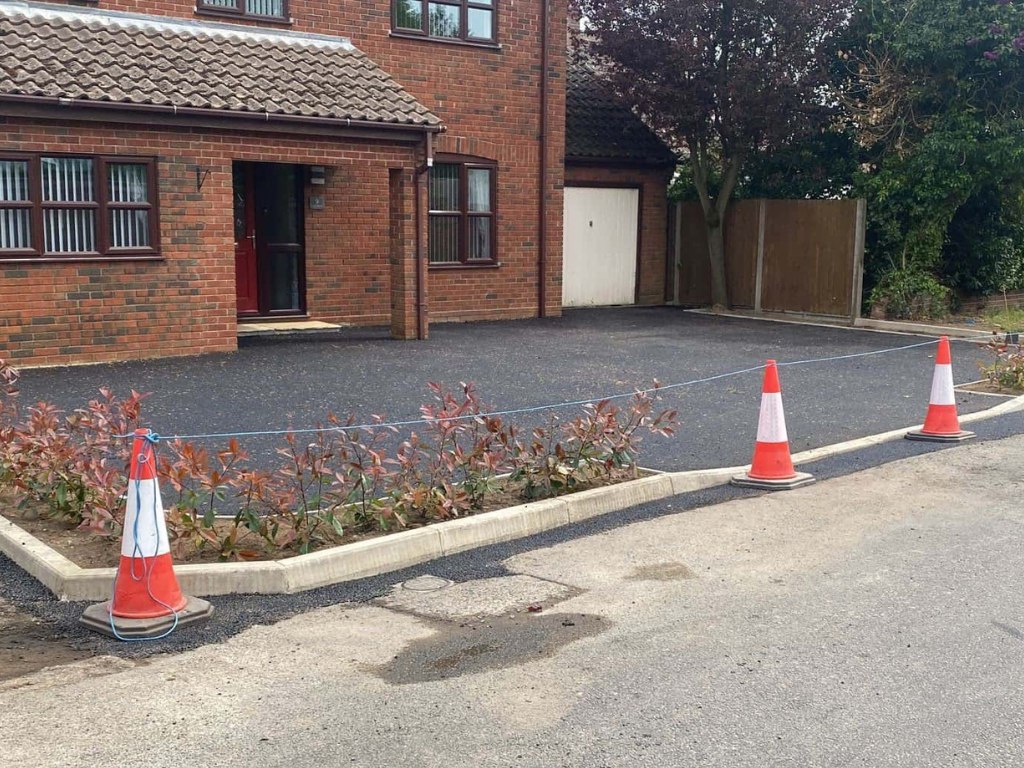
How Tarmac Helps Create Safer Driveway Entrances
A driveway entrance is one of the most frequently used access points to any property, yet it is also one of the most overlooked when it comes to safety. From uneven surfaces to poor visibility, many entrances can inadvertently create hazards for both drivers and pedestrians. Tarmac, however, offers a reliable and highly effective solution for creating smoother, safer and more controlled driveway access.
At Ramsgate Driveways, we regularly install tarmac driveways for homeowners who want to improve both the appearance and safety of their entrance. Here’s how tarmac contributes to a safer, more user-friendly arrival at your home.
A Smooth, Even Surface Reduces Trips and Falls
Uneven or broken entrance surfaces—common on older driveways—can be a risk for pedestrians, particularly during wet weather or darker evenings. Tarmac provides a uniform, level finish that eliminates sudden height changes, loose edges or crumbling sections.
This is especially beneficial if:
- You have young children or elderly family members
- Your property sits on a slope or awkward angle
- The entrance is used frequently on foot
A smoother surface simply makes daily access safer for everyone.
Better Traction for Vehicles in All Weathers
Kent’s coastal weather can include heavy rain, frost and winter winds. Tarmac offers excellent traction for vehicles, even during challenging conditions. This helps prevent wheel-spin, skidding and difficulty controlling speed when entering or exiting the driveway.
With its slightly textured finish, tarmac supports safer braking and better grip—ideal for families with multiple vehicles or properties located on busy roads.
Enhanced Visibility at the Property Entrance
Because tarmac creates a clean, dark, uniform surface, it improves visibility for drivers approaching the property, especially at night. This helps:
- Highlight the driveway edges
- Reduce the risk of misjudging the turn-in
- Improve awareness for pedestrians and cyclists passing by
A clear, well-defined driveway entrance is particularly useful for homes located on bends, hills or narrower residential streets.
Suitable for Driveway Widening and Safer Manoeuvring
Many homeowners choose tarmac when widening or reshaping an entrance to make it safer and easier to navigate. Tarmac adapts well to different widths and layouts, allowing the driveway to be extended for:
- Better turning space
- Clearer access in and out
- Easier reversing
- Safer entry on busy or fast-moving roads
This flexibility makes tarmac a preferred choice for improving practical safety.
Low Risk of Loose Stones or Debris
Some driveway surfaces can shed stones, gravel or loose material, which often ends up scattered across the pavement or road. This can be hazardous for pedestrians, cyclists, pets and tyres.
Tarmac, on the other hand, forms a solid, bonded surface with no loose elements. This helps maintain a clean and predictable entrance area with minimal maintenance required.
Supports Clear Line Markings and Edging
Where necessary, tarmac allows for crisp, durable markings or edging that make the entrance even safer. Painted lines, edging blocks or reflective markers can all help guide vehicles and indicate boundaries clearly.
For homes with narrow entrances or shared access points, this level of clarity can make everyday use significantly safer.
Conclusion
A tarmac driveway entrance offers more than just an attractive appearance—it provides improved safety, better control, and enhanced visibility for every user. Its strength, traction and low-maintenance nature make it an ideal choice for homeowners looking to upgrade their access point with reliability in mind.
If you are considering improving the safety and functionality of your driveway, Ramsgate Driveways can provide expert advice and professional installation. Contact us today to discuss the best options for your property.
Call us on: 01843 265 695
Click here to find out more about Ramsgate Driveways
Click here to complete our contact form and see how we can help with your Driveway needs.