Why Is Tar & Chip a Strong Option for Long Driveways and Rural Properties?
Long driveways and access routes must cope with regular vehicle movements, changing weather and the demands placed on their edges and foundations. The larger the surface, the more important it becomes to choose a material that provides dependable traction, suits its surroundings and can withstand everyday use.
Tar and chip surfacing can meet these requirements when it is installed on a properly prepared base. Its combination of bitumen and natural stone aggregate creates a durable, textured surface that works particularly well for long driveways and rural properties in Ramsgate, Kent.
The Benefits of Tar and Chip for Longer Driveways
Tar and chip is created by applying hot bitumen to a prepared surface before spreading stone aggregate across it. The stone is then rolled into the binder to form a firmly embedded wearing course.
This construction method produces a robust surface with a more natural appearance than many uniform alternatives. However, its long-term performance still depends on correct preparation, suitable materials and professional application.
A Surface Designed for Regular Vehicle Use
Long driveways often carry repeated traffic along the same wheel paths. If the surface or base is poorly constructed, this concentrated use can lead to rutting, movement and low areas.
A professionally installed tar and chip surface distributes vehicle loads across a stable base. The embedded aggregate provides a hard-wearing finish capable of supporting normal domestic traffic and access requirements. Correct compaction is particularly important because it helps the surface resist movement under turning, braking and acceleration.
Natural Texture and Practical Grip
The exposed aggregate gives tar and chip a naturally textured finish. This can provide reassuring traction for vehicles and pedestrians, particularly on longer approaches where the surface may include gentle changes in level.
Aggregate is available in different sizes and natural shades, allowing the finished driveway to complement the surrounding property. This makes tar and chip especially suitable where a softer, traditional appearance is preferred to a completely smooth, uniform surface.
Well Suited to Large Surface Areas
A long driveway may include passing points, parking spaces, turning areas or connections to other access routes. Tar and chip can be applied across these larger areas to create a consistent and practical finish.
Careful planning ensures that the different sections work together. Vehicle routes should be wide enough for comfortable access, turning areas should be positioned appropriately, and vulnerable edges should receive sufficient support. These details help the completed surface remain functional rather than simply improving its appearance.
Why the Existing Base Matters
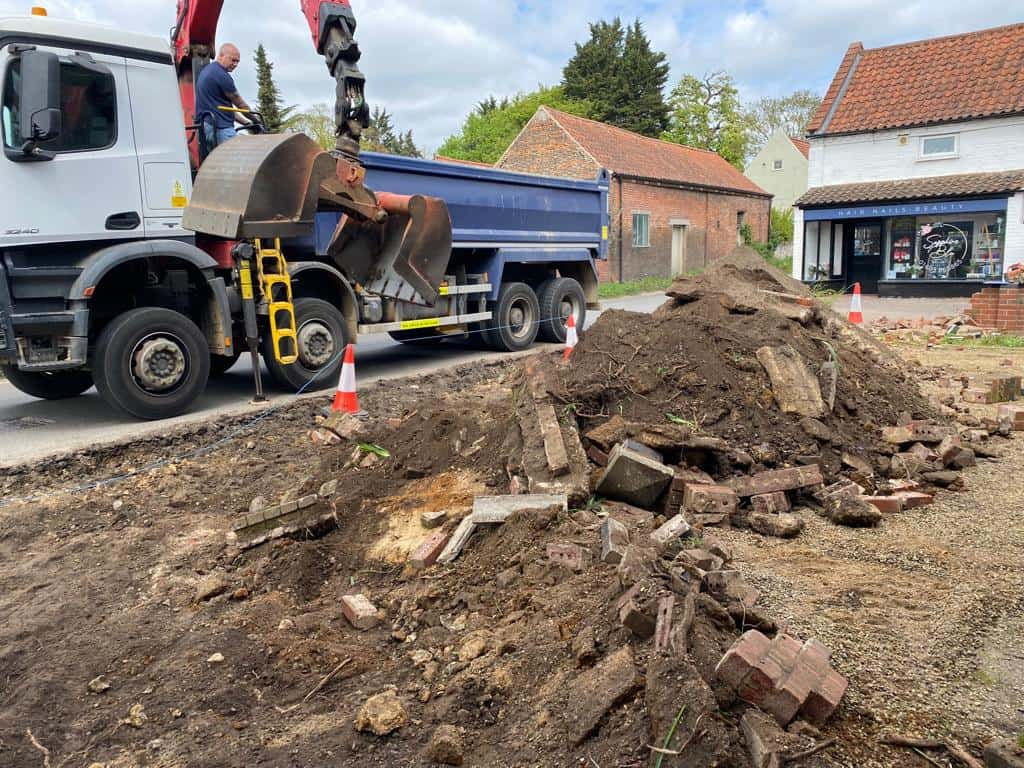
The strength of any tar and chip driveway begins beneath the visible surface. Applying new material over an unstable, badly rutted or poorly drained base is unlikely to produce a dependable result.
Before surfacing begins, the existing driveway should be assessed for:
- Soft or sunken areas
- Potholes and deep depressions
- Loose or contaminated material
- Weak, crumbling edges
- Poor surface levels
- Signs of inadequate drainage
Where necessary, defective areas can be excavated, strengthened and compacted. A well-prepared base helps prevent movement from transferring through to the new surface.
The Importance of Effective Drainage
Long driveways must control rainwater across a substantial area. If water collects in low points or continually runs across an unsupported edge, it can weaken the underlying construction and contribute to surface deterioration.
The driveway should be formed with appropriate levels and falls so that water moves away efficiently. Drainage channels or other suitable features may also be incorporated where the layout requires them. Managing water at the installation stage is one of the most effective ways to protect the surface over time.
Strong Edges Help Prevent Surface Breakdown
Driveway edges are vulnerable when vehicles regularly pass close to them or when the adjoining ground offers little support. Without proper construction, the outer sections may begin to crumble or spread.
Suitable edging and a correctly compacted base help contain the surfacing materials. The route should also be designed so that vehicles have enough space to remain on the main driveway, particularly around bends, entrances and passing areas.
Can Tar and Chip Be Applied Over an Existing Driveway?
In some cases, an existing driveway may provide a suitable foundation for tar and chip resurfacing. This depends on whether the current surface is structurally stable, correctly shaped and free from widespread movement.
Cracks, potholes and weak sections should be dealt with before a new layer is applied. Resurfacing without correcting these defects may allow them to affect the new finish. A professional site assessment can determine whether the existing construction can be retained or whether further preparation is needed.
What to Expect From the Finished Surface
A newly installed tar and chip driveway has a textured appearance, and a small amount of loose stone may initially remain on the surface. Once the aggregate has settled under normal use, the driveway develops its established finish.
Routine attention should include keeping drainage points clear and responding to localised damage before it spreads. Early maintenance can help protect the base and preserve the quality of the wider driveway.
Professional Installation Makes the Difference
Successful tar and chip surfacing relies on more than applying bitumen and stone. The base condition, surface levels, drainage, material coverage and compaction must all be considered as part of one installation.
Professional preparation also allows the driveway to be planned around its actual use. A long domestic entrance may have different requirements from a route serving several buildings or accommodating frequent vehicle movements.
Conclusion
Tar and chip is a strong option for long driveways and rural properties because it combines durability, practical grip and a natural-looking finish. Its effectiveness depends on a stable base, properly supported edges, suitable drainage and careful installation.
Ramsgate Driveways provides professional tar and chip driveway installation and resurfacing in Ramsgate, Kent. If you are considering this surface for a long driveway or property access route, contact the team to arrange an assessment and discuss the most suitable approach.
Call us on: 01843 265 695
Click here to find out more about Ramsgate Driveways
Click here to complete our contact form and see how we can help with your Driveway needs.